banner

Blog

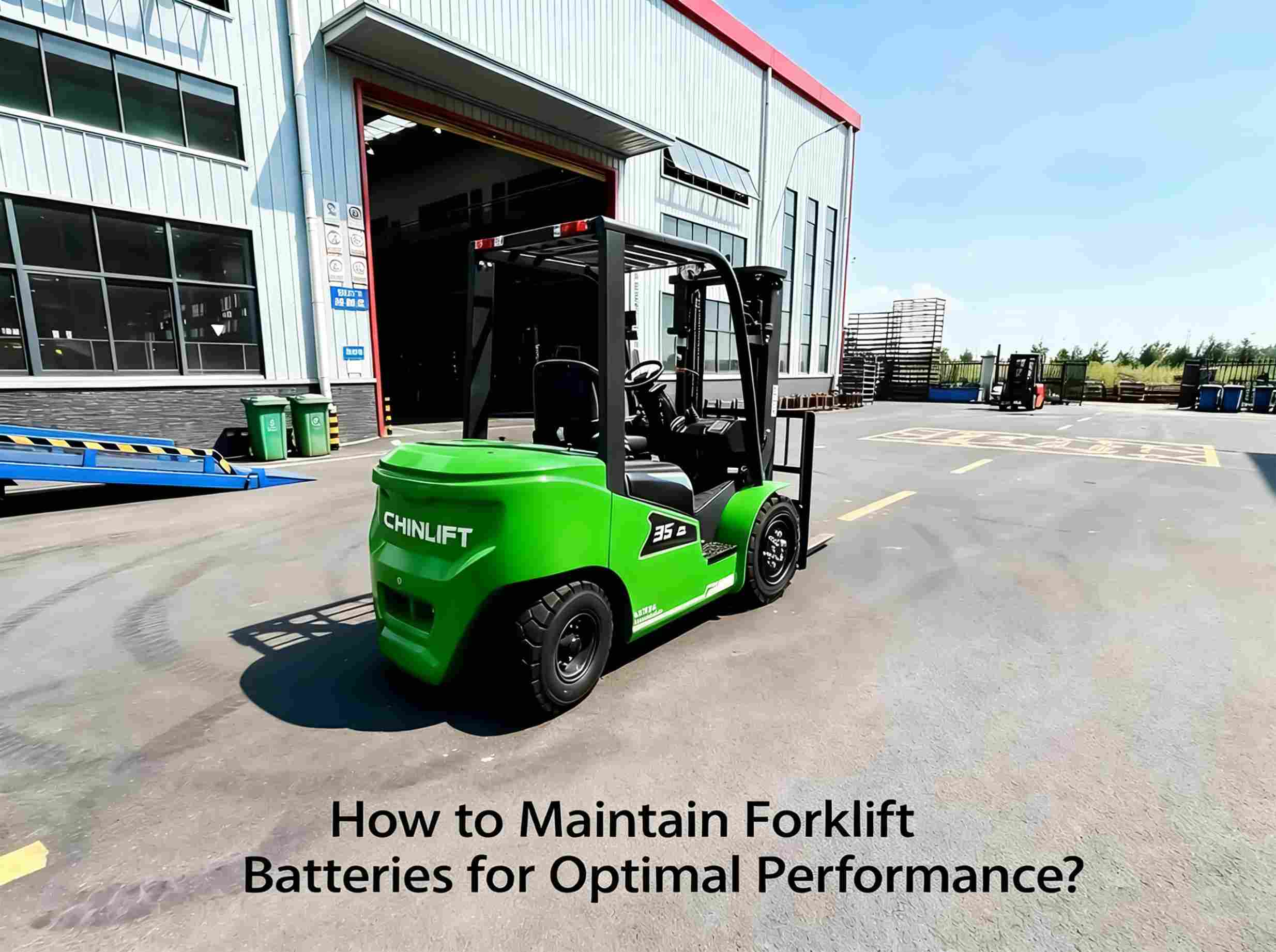
  • How to Maintain Forklift Batteries for Optimal Performance? Professional Strategies for Prolonging Life and Enhancing Efficiency
    How to Maintain Forklift Batteries for Optimal Performance? Professional Strategies for Prolonging Life and Enhancing Efficiency
    May 21, 2026
    Forklift batteries (typically lead-acid or lithium-ion) are the heart of electric forklifts. Proper maintenance not only extends their service life but also significantly reduces operating costs. The following core strategies, recommended by CHINLIFT Forklift, must be followed to achieve optimal performance. 1. Standardize Charging Practices: Avoid the "Opportunity Charging" Misconception For effective Lead-acid Forklift Battery Performance Maintenance, lead-acid batteries should follow the principle of "discharging no less than 20% before recharging." Frequent opportunity charging (recharging at any convenient time) accelerates plate sulfation, leading to a permanent loss of capacity. Each charge cycle must be fully completed to avoid cumulative memory effects. For Forklift Lithium Battery Performance Maintenance, flexible charging is acceptable during daily use, but prolonged periods at 100% state of charge should be avoided to slow aging.   2. Strictly Control Depth of Discharge (DOD) For lead-acid batteries, depth of discharge (DOD) exceeding 80% can severely damage the plate structure. It is recommended to set a battery replacement alarm threshold (e.g., 30% remaining capacity). Lithium batteries have a higher DOD tolerance (up to over 90%), but maintaining a reasonable margin is still advisable to protect the battery management system (BMS). Both practices are emphasized in CHINLIFT Forklift operational guidelines. 3. Equalization Charging and Watering Management (Lead-Acid Batteries Only) Perform an equalization charge every 5 to 10 regular cycles to eliminate voltage imbalances among individual cells. Meanwhile, regularly check the electrolyte level. Distilled water should be added after charging and before resting, with an ideal level of 10–15 mm above the plates. Adding water while the battery is discharged is strictly prohibited, as this may cause electrolyte overflow. These steps are critical to Leadacid Forklift Battery Performance Maintenance. 4. Temperature and Environmental Control The optimal operating temperature range for lead-acid batteries is 20°C to 25°C. For every 8°C increase in temperature, battery lifespan is approximately halved. During charging, the battery temperature should not exceed 45°C. Keep the battery surface clean, dry, and free of corrosive substances. Apply anti-rust compound to the terminals to prevent increased contact resistance. CHINLIFT Forklift recommends integrating these environmental controls into daily operations. 5. Establish Daily Maintenance Records Daily records should include: end-of-charge terminal voltage, electrolyte specific gravity (for lead-acid batteries), operating duration, and any abnormalities. Conduct a capacity test once a month and compare results to baseline values. Use a smart charger and battery monitoring system to track individual cell voltage, temperature, and the number of charge/discharge cycles in real time. These practices apply equally to Leadacid Forklift Battery Performance Maintenance and Forklift Lithium Battery Performance Maintenance.   Through the systematic management described above, lead-acid batteries can typically be used for 1,500 to 2,000 cycles, while lithium batteries can last for more than 3,000 cycles, thereby reducing total cost of ownership (TCO) by 30% to 40%. CHINLIFT Forklift supports these maintenance strategies to help customers maximize battery life and operational efficiency.
  • Is Your Forklift Ready for Summer? Four Key Lines of Defense You Need to Know
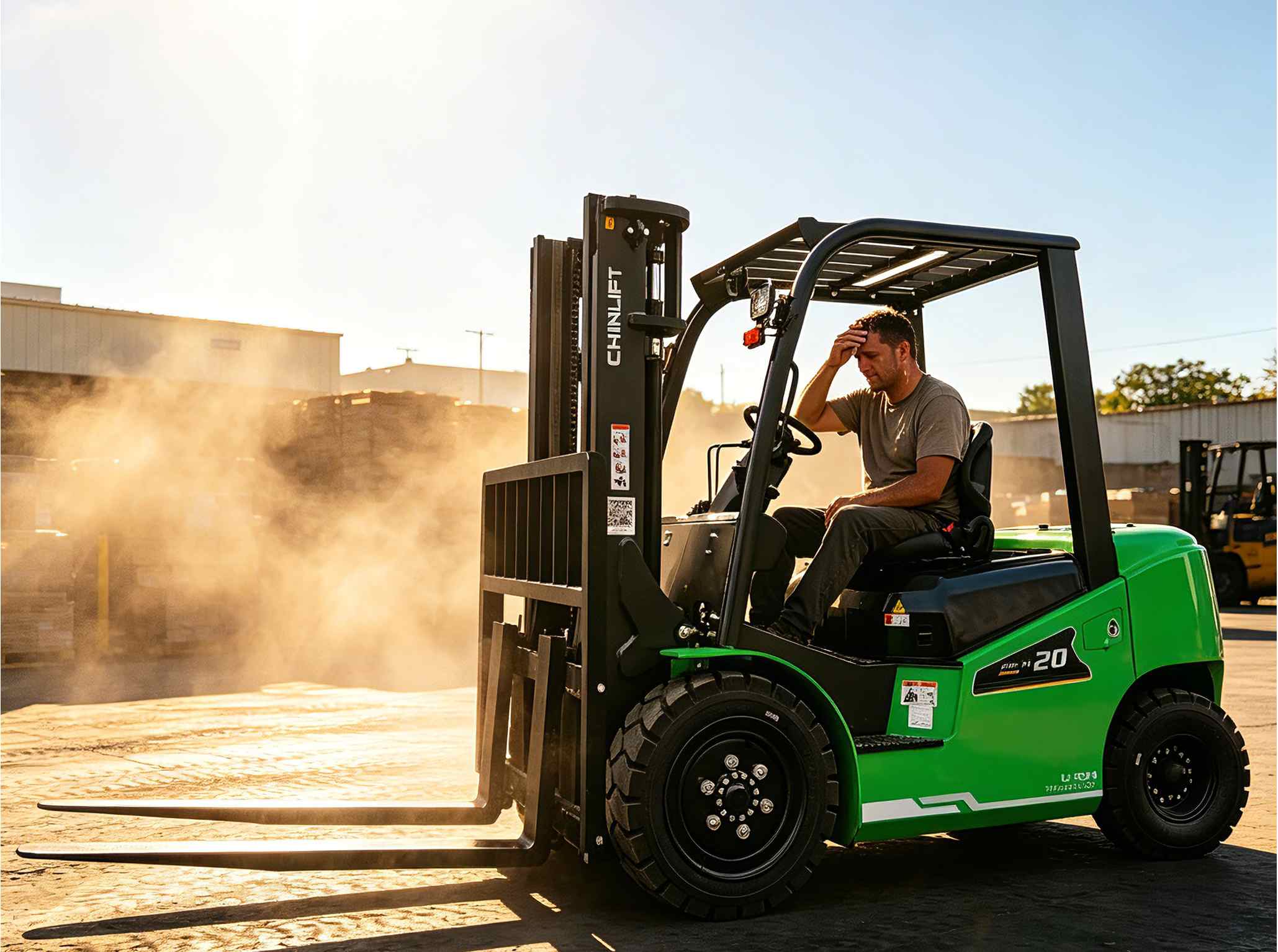
    Is Your Forklift Ready for Summer? Four Key Lines of Defense You Need to Know
    May 14, 2026
    High temperatures change everything. So should your maintenance approach. When summer temperatures consistently exceed 35°C, standard maintenance routines fall short. Heat accelerates wear, degrades fluids, and creates safety risks. Forklift failure rates rise by approximately 30% during summer — yet most of these failures are preventable. Here are four technical lines of defense to keep your fleet operating safely through the hottest months.Chinlift forklift maintenance protocols for keeping your fleet running at peak performance all summer long. 1. Power System: Control Charging and Cooling Electric Forklift – Battery Protection Summer heat hits batteries hard. Charging temperatures can exceed the 45°C safety threshold, while water evaporation accelerates dramatically. Essential actions: Check electrolyte levels daily. Maintain 10–15mm above the plates using distilled water only. Never charge a battery above 45°C. Allow at least 30 minutes of cooling before charging. Schedule charging during cooler periods — early morning or late evening. Critical note: Never disconnect charging cables while active charging. The resulting arc can ignite hydrogen gas from lead-acid batteries. Internal Combustion Forklift – Engine Cooling The core risk is engine overheating — "boiling over." Essential actions:  Maintain coolant ethylene glycol concentration at 40–60%. Never substitute plain water. Clean the radiator weekly: compressed air from inside out, then low-pressure water rinse. If an overheat alarm sounds: stop immediately but keep idling, open the hood, and wait for complete cooling before opening the radiator cap. 2. Hydraulic System: Guard the Oil Temperature High heat causes viscosity drop, accelerated oxidation, and emulsification failure. Normal range:30–60°C | Danger zone:Above 80°C Essential actions: Check oil levels daily. Top up with same brand and grade only. Clean the hydraulic oil cooler weekly alongside the engine radiator. Shorten filter replacement intervals to every 500 hours in summer. Troubleshoot high temperatures in this order: radiator blockage → filter blockage → abnormal relief valve → oil degradation. 3. Walking Mechanism: Prevent Blowouts and Brake Failure Tire Pressure Reduce summer tire pressure by 5–10% below the manual's recommendation. For typical 700kPa, target 630–665kPa. Solid tires:High temperatures soften rubber. Inspect rim bolt torque daily. Avoid prolonged stationary steering on hot asphalt (60–70°C). Brake System Test brake fluid moisture content with a pen-style tester. Replace immediately if moisture exceeds 3%— otherwise, vapor lock will cause brake failure. After heavy downhill operation, never rinse brake drums with cold water. Thermal shock can cause cracking. Allow 15 minutes of natural cooling. 4. Electrical System and Operating Discipline High-Risk Components to Inspect Weekly: Starter and alternator main cables Battery terminal connections (corrosion increases heat) Wiring harness intersections with engines and exhaust What to look for: Hardened, cracked, or melted insulation. Discolored connectors. If you detect smoke or burning odor:Immediately disconnect the main power switch and use a dry chemical extinguisher. Never use water on electrical fires. Work Rhythm: After 1–2 hours of continuous work, shut down for a 15-minute rest. Park in shaded, ventilated areas. Use reflective covers when outdoor parking is unavoidable. The Bottom Line Summer maintenance is about doing the right things with discipline. A ten-minute pre-shift inspection. Weekly radiator cleaning. Monthly system checks. These actions prevent the majority of summer-related failures — protecting your uptime, your budget, and your operators. Is your fleet ready? Four lines of defense. One clear objective: keep your equipment safely moving through the heat.
  • LPG vs Diesel vs Electric Forklifts: Which One to Choose for Outdoor Heavy-Duty Applications?
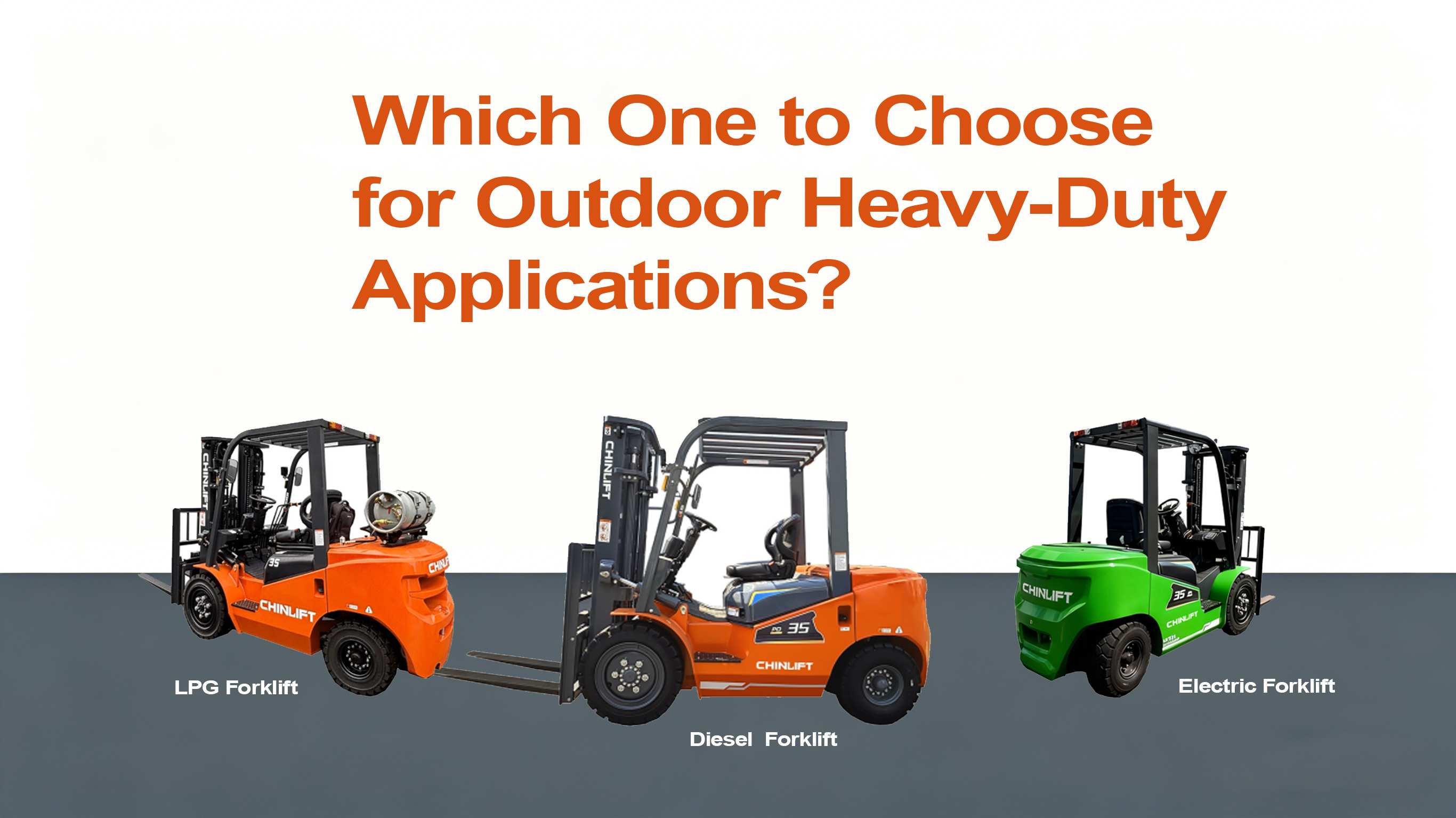
    LPG vs Diesel vs Electric Forklifts: Which One to Choose for Outdoor Heavy-Duty Applications?
    May 08, 2026
    In the past, diesel was the only option for outdoor heavy-duty internal combustion forklift models. Now there are more choices — Chinlift Forklift is here to help you make a decision. Here is a quick comparison to guide your decision-making.   Diesel — The Reliable Veteran (Internal Combustion Forklift) Diesel forklifts remain the kings of ports, lumber yards, and construction sites. Why people love them:   They deliver high torque to handle steep slopes and heavy loads. One tank runs for 10 to 12 hours, and refueling takes only 5 minutes. They can withstand mud, rain, and dust. Disadvantages: Diesel is highly polluting. High emissions mean black smoke and strong odors, and diesel forklifts are increasingly restricted indoors and even in some cities. Maintenance costs are high. They are noisy, and fuel theft is a real risk on job sites. Choose diesel if:you work in heavy rain, need a capacity over 8 tons, or have no access to overnight charging.   LPG—A Cleaner Compromise(LPG Forklift) LPG forklift are the middle option, but that is not a bad thing. They perform well in food and beverage loading areas, covered storage yards, and mixed indoor-outdoor operations.Chinlift Forklift offers popular LPG models suitable for flexible operations. Why people choose LPG: Emissions are lower than diesel, with very little black smoke. LPG forklift can be used indoors with proper ventilation. Swapping a tank takes about 3 minutes-as fast as refueling a diesel. Maintenance costs are lower . Cold starts are also easier than with diesel. Points to consider:LPG produces 10% to 15% less torque than diesel, so climbing steep slopes under maximum load can be a struggle. You need space to store spare tanks and reliable gas refilling services. Models above 8 tons are rare. Choose LPG if: you work indoors part of the time, want a cleaner option than diesel, but cannot charge electric forklifts overnight.   Lithium-Ion Battery Forklift — The Rising Star in the Industry Previously, electric forklifts were confined to indoor use. Now, lithium battery models are venturing outdoors and gaining an edge in cost. Why go electric: Zero emissions mean no exhaust fumes and no odors. Electric forklifts are legal everywhere. Maintenance costs are the lowest of the three.They are quiet, and peak torque from a standstill is ideal for frequent stop‑start operations.If you are looking for zero-emission forklifts, the battery electric forklifts from Chinlift Forklift are an excellent choice. The real challenges:   Most electric forklifts are not fully waterproof — only splash‑proof. Heavy rain is a risk. Battery life is 6 to 8 hours, which can drop by 30% to 40% in cold weather. Charging takes 1 to 2 hours, so overnight charging is necessary. The upfront cost is 30% to 50% higher than diesel. Choose electric if: you have overnight charging, work in a dry environment, and want the lowest operating costs over five years.   Which One Should You Choose?—Professional Advice from Chinlift Forklift Does it often rain at your job site?If so, diesel or LPG forklifts can handle it. Lithium-ion battery forklifts cannot (in heavy rain). Do you work partly indoors?If so, diesel is usually prohibited. Both LPG and lithium-ion options are fine. Do you have overnight charging available?If yes, lithium-ion battery forklifts become very attractive. If not, stick with diesel or LPG. The simple answer: - Heavy rain + maximum power → Choose diesel - Mixed indoor/outdoor + cleaner emissions → Choose LPG Dry yard + lowest long-term cost → Choose electric   Final Words In the harshest and wettest conditions, diesel remains the king. LPG is a flexible, cleaner middle option. If your site is dry and you can charge overnight, electric will give you the lowest five‑year total cost. Still not sure? Send us your shift length, ground conditions, and local emission regulations. We will recommend a suitable model within 48 hours. Contact Chinlift Forklift today for a quotation or a free consultation.    

leave a message

leave a message
If you are interested in our products and want to know more details,please leave a message here,we will reply you as soon as we can.
submit

home

products

WhatsApp

Contact

Leave A Message
If you are interested in our products and want to know more details,please leave a message here,we will reply you as soon as we can.
submit