Tell:+86-13817195341
E-Mail : sales@chinlift.cn


Tell:+86-13817195341
E-Mail : sales@chinlift.cn
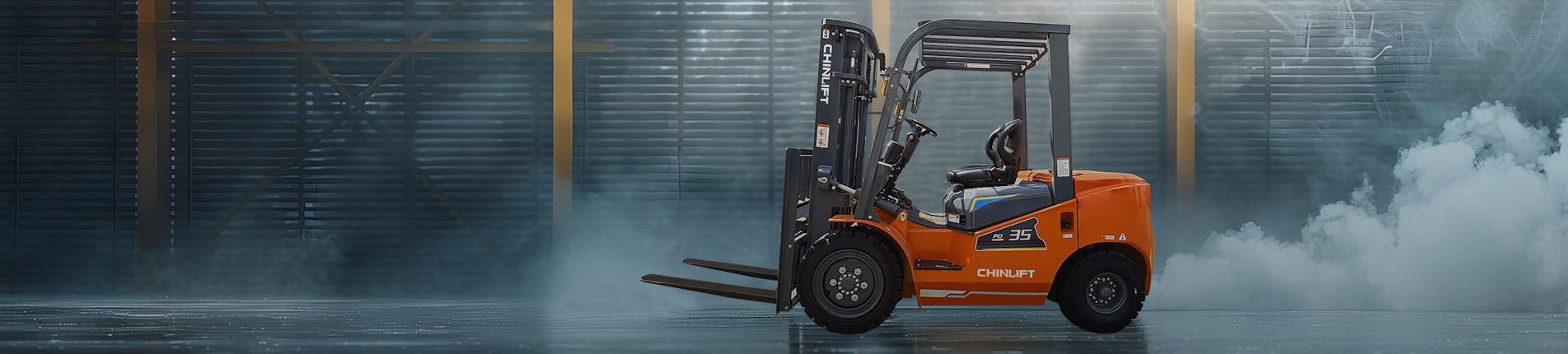
In the past, diesel was the only option for outdoor heavy-duty internal combustion forklift models. Now there are more choices — Chinlift Forklift is here to help you make a decision.
Here is a quick comparison to guide your decision-making.
Diesel — The Reliable Veteran (Internal Combustion Forklift)
Diesel forklifts remain the kings of ports, lumber yards, and construction sites.
Why people love them:
They deliver high torque to handle steep slopes and heavy loads. One tank runs for 10 to 12 hours, and refueling takes only 5 minutes. They can withstand mud, rain, and dust.
Disadvantages:
Diesel is highly polluting. High emissions mean black smoke and strong odors, and diesel forklifts are increasingly restricted indoors and even in some cities. Maintenance costs are high. They are noisy, and fuel theft is a real risk on job sites.
Choose diesel if:you work in heavy rain, need a capacity over 8 tons, or have no access to overnight charging.
LPG—A Cleaner Compromise(LPG Forklift)
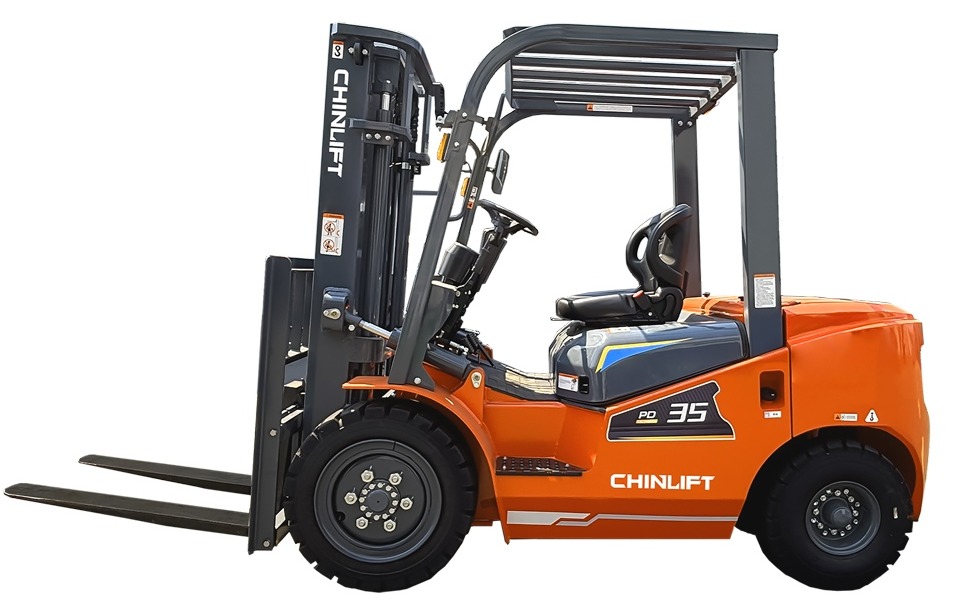
LPG forklift are the middle option, but that is not a bad thing. They perform well in food and beverage loading areas, covered storage yards, and mixed indoor-outdoor operations.Chinlift Forklift offers popular LPG models suitable for flexible operations.
Why people choose LPG:
Emissions are lower than diesel, with very little black smoke. LPG forklift can be used indoors with proper ventilation. Swapping a tank takes about 3 minutes-as fast as refueling a diesel. Maintenance costs are lower . Cold starts are also easier than with diesel.
Points to consider:LPG produces 10% to 15% less torque than diesel, so climbing steep slopes under maximum load can be a struggle. You need space to store spare tanks and reliable gas refilling services. Models above 8 tons are rare.
Choose LPG if: you work indoors part of the time, want a cleaner option than diesel, but cannot charge electric forklifts overnight.
Lithium-Ion Battery Forklift — The Rising Star in the Industry
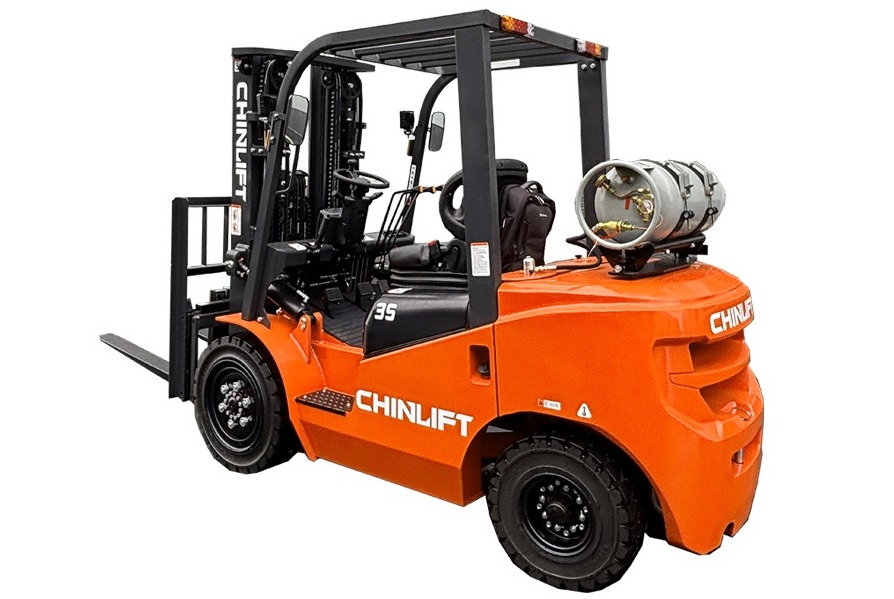
Previously, electric forklifts were confined to indoor use. Now, lithium battery models are venturing outdoors and gaining an edge in cost.
Why go electric:
Zero emissions mean no exhaust fumes and no odors. Electric forklifts are legal everywhere. Maintenance costs are the lowest of the three.They are quiet, and peak torque from a standstill is ideal for frequent stop‑start operations.If you are looking for zero-emission forklifts, the battery electric forklifts from Chinlift Forklift are an excellent choice.
The real challenges:
Most electric forklifts are not fully waterproof — only splash‑proof. Heavy rain is a risk. Battery life is 6 to 8 hours, which can drop by 30% to 40% in cold weather. Charging takes 1 to 2 hours, so overnight charging is necessary. The upfront cost is 30% to 50% higher than diesel.
Choose electric if: you have overnight charging, work in a dry environment, and want the lowest operating costs over five years.
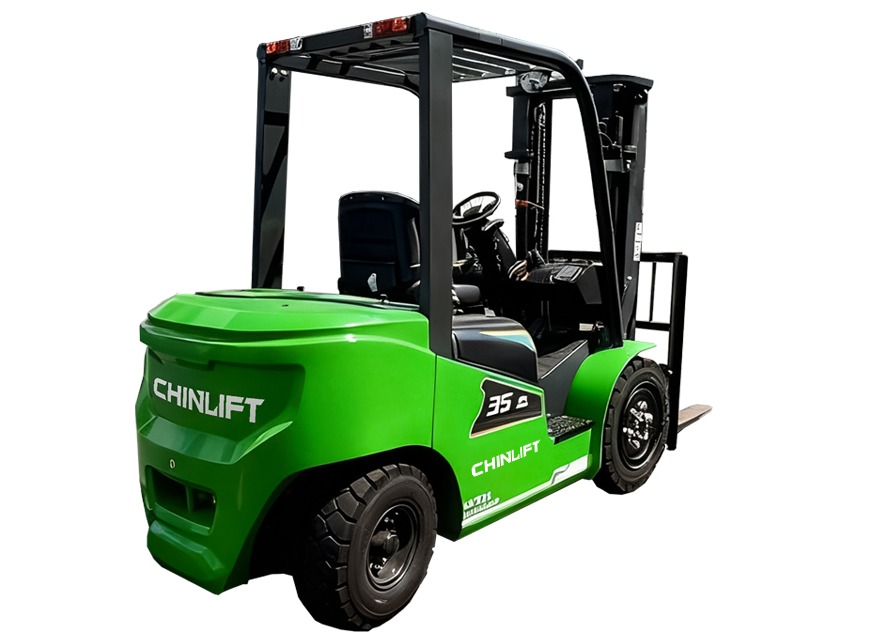
Which One Should You Choose?—Professional Advice from Chinlift Forklift
Does it often rain at your job site?If so, diesel or LPG forklifts can handle it. Lithium-ion battery forklifts cannot (in heavy rain).
Do you work partly indoors?If so, diesel is usually prohibited. Both LPG and lithium-ion options are fine.
Do you have overnight charging available?If yes, lithium-ion battery forklifts become very attractive. If not, stick with diesel or LPG.
The simple answer:
- Heavy rain + maximum power → Choose diesel
- Mixed indoor/outdoor + cleaner emissions → Choose LPG
Final Words
In the harshest and wettest conditions, diesel remains the king. LPG is a flexible, cleaner middle option. If your site is dry and you can charge overnight, electric will give you the lowest five‑year total cost.
Still not sure? Send us your shift length, ground conditions, and local emission regulations. We will recommend a suitable model within 48 hours.
Contact Chinlift Forklift today for a quotation or a free consultation.
Copyright @ Hefei Chinlift Forklift Co.,Ltd All Rights Reserved.
 Network Supported
leave a message
Scan to wechat :

Scan to whatsapp :