Is Your Forklift Ready for Summer? Four Key Lines of Defense You Need to Know
May 14, 2026
High temperatures change everything. So should your maintenance approach.
When summer temperatures consistently exceed 35°C, standard maintenance routines fall short. Heat accelerates wear, degrades fluids, and creates safety risks. Forklift failure rates rise by approximately 30% during summer — yet most of these failures are preventable.
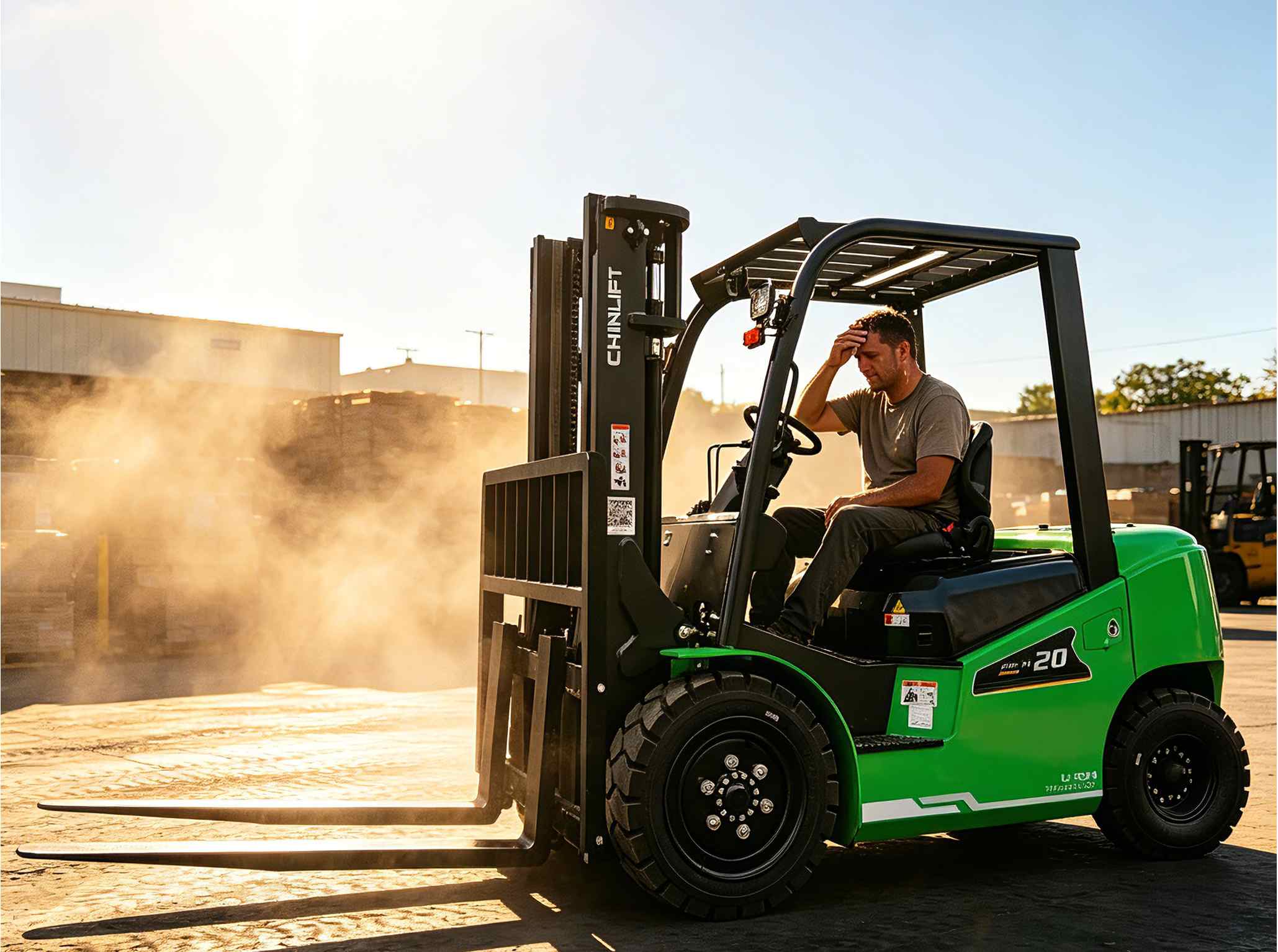
Here are four technical lines of defense to keep your fleet operating safely through the hottest months.Chinlift forklift maintenance protocols for keeping your fleet running at peak performance all summer long.
1. Power System: Control Charging and Cooling
Electric Forklift – Battery Protection
Summer heat hits batteries hard. Charging temperatures can exceed the 45°C safety threshold, while water evaporation accelerates dramatically.
Essential actions:
Check electrolyte levels daily. Maintain 10–15mm above the plates using distilled water only.
Never charge a battery above 45°C. Allow at least 30 minutes of cooling before charging.
Schedule charging during cooler periods — early morning or late evening.
Critical note: Never disconnect charging cables while active charging. The resulting arc can ignite hydrogen gas from lead-acid batteries.
Internal Combustion Forklift – Engine Cooling
The core risk is engine overheating — "boiling over."
Essential actions:
Maintain coolant ethylene glycol concentration at 40–60%. Never substitute plain water.
Clean the radiator weekly: compressed air from inside out, then low-pressure water rinse.
If an overheat alarm sounds: stop immediately but keep idling, open the hood, and wait for complete cooling before opening the radiator cap.
2. Hydraulic System: Guard the Oil Temperature
High heat causes viscosity drop, accelerated oxidation, and emulsification failure.
Normal range:30–60°C | Danger zone:Above 80°C
Essential actions:
Check oil levels daily. Top up with same brand and grade only.
Clean the hydraulic oil cooler weekly alongside the engine radiator.
Shorten filter replacement intervals to every 500 hours in summer.
Troubleshoot high temperatures in this order: radiator blockage → filter blockage → abnormal relief valve → oil degradation.
3. Walking Mechanism: Prevent Blowouts and Brake Failure
Tire Pressure
Reduce summer tire pressure by 5–10% below the manual's recommendation. For typical 700kPa, target 630–665kPa.
Solid tires:High temperatures soften rubber. Inspect rim bolt torque daily. Avoid prolonged stationary steering on hot asphalt (60–70°C).
Brake System
Test brake fluid moisture content with a pen-style tester. Replace immediately if moisture exceeds 3%— otherwise, vapor lock will cause brake failure.
After heavy downhill operation, never rinse brake drums with cold water. Thermal shock can cause cracking. Allow 15 minutes of natural cooling.
4. Electrical System and Operating Discipline
High-Risk Components to Inspect Weekly:
Starter and alternator main cables
Battery terminal connections (corrosion increases heat)
Wiring harness intersections with engines and exhaust
What to look for: Hardened, cracked, or melted insulation. Discolored connectors.
If you detect smoke or burning odor:Immediately disconnect the main power switch and use a dry chemical extinguisher. Never use water on electrical fires.
Work Rhythm:
After 1–2 hours of continuous work, shut down for a 15-minute rest.
Park in shaded, ventilated areas. Use reflective covers when outdoor parking is unavoidable.
The Bottom Line
Summer maintenance is about doing the right things with discipline. A ten-minute pre-shift inspection. Weekly radiator cleaning. Monthly system checks. These actions prevent the majority of summer-related failures — protecting your uptime, your budget, and your operators.
Is your fleet ready? Four lines of defense. One clear objective: keep your equipment safely moving through the heat.




 Network Supported